-
Shopping cart is empty
-
x



-
Shopping cart is empty
-
x
Albumen Printing
Albumen Printing – Chemicals and Materials for Albumen Photography
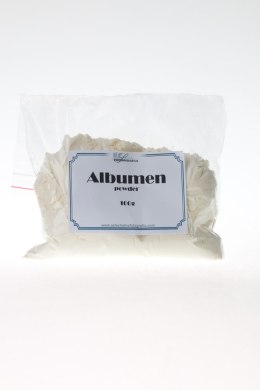
Albumen printing is one of the most important historical photographic processes of the 19th century. Introduced in 1850 by Louis Désiré Blanquart-Evrard, the process uses albumen – egg white – as a layer that binds light-sensitive silver compounds to the surface of the paper. It produces highly detailed prints with a characteristic gloss and warm tonal range.
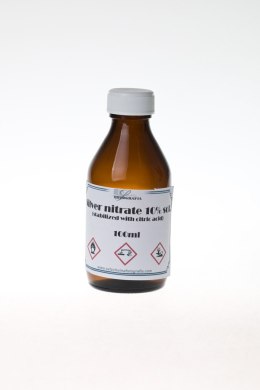
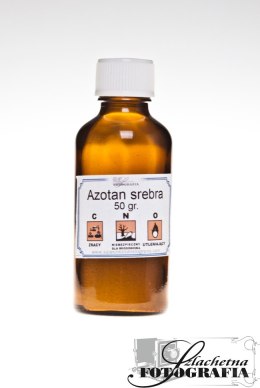
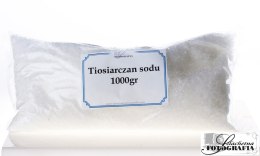
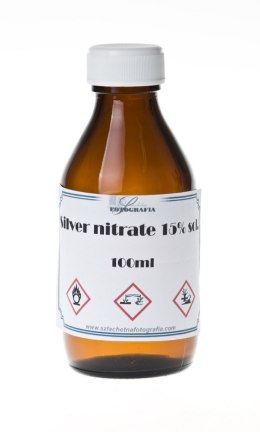
In this category, you will find chemicals and materials for making albumen prints, including silver nitrate and other ingredients used in the preparation, processing and toning of albumen paper.
The process begins by coating the paper with a layer of albumen containing chlorides and then sensitising it in a silver nitrate solution. The prepared paper is contact printed under a negative using UV light or sunlight. The image appears directly during exposure, after which the print is washed, optionally toned and fixed.
Albumen paper was one of the most widely used photographic materials during the second half of the 19th century. Today, albumen printing is primarily used by photographers and artists working with historical and alternative photographic processes, as well as in research and the reconstruction of early photographic techniques.